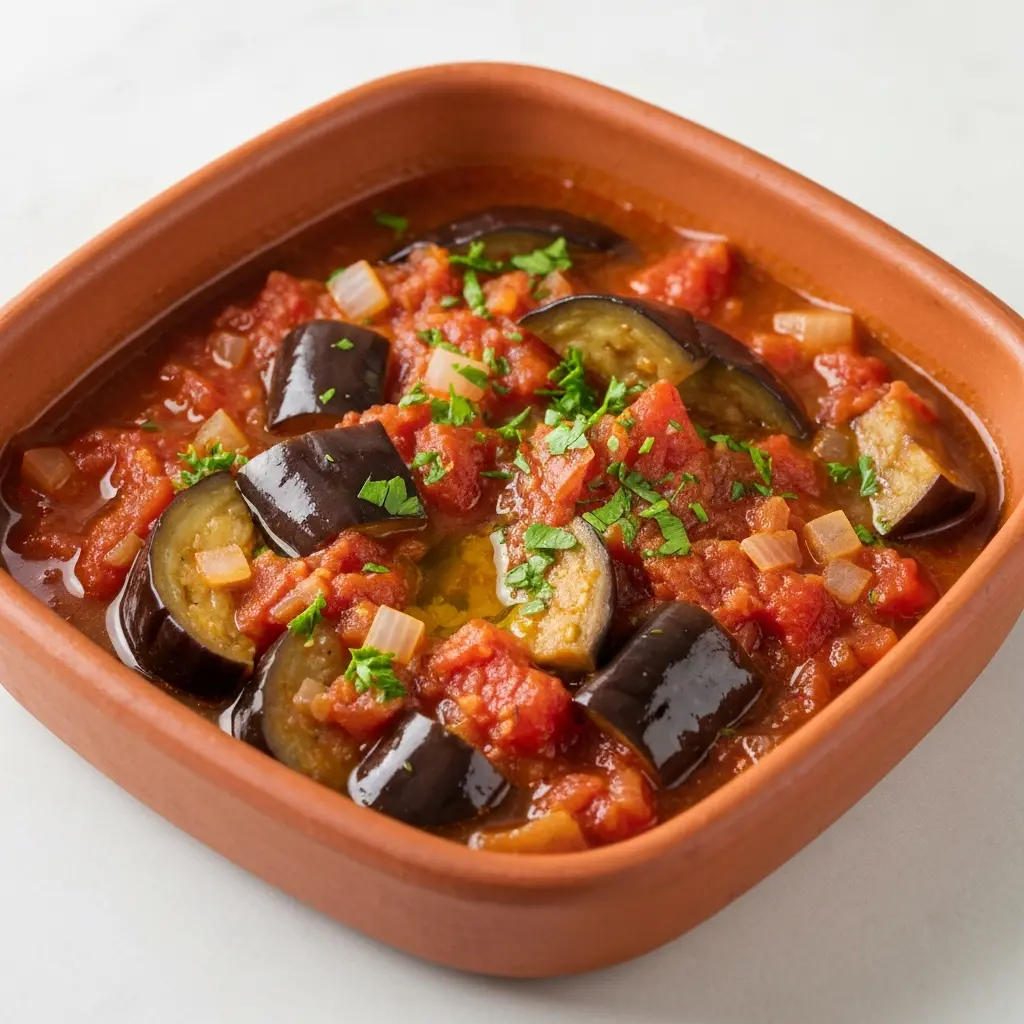
Unlock Deep Flavor: The Secret to Restaurant-Quality Eggplant Stew
Imagine a dish so rich, so comforting, and so brimming with savory depth that it transports you to a bustling Mediterranean kitchen or a cozy trattoria. We're talking about
Cozy Vegan Eggplant Stew: Your Perfect Late Summer to Fall Meal – a humble, one-pot wonder that, when prepared with a few crucial techniques, transcends everyday home cooking to achieve truly restaurant-quality flavor. Far from being just a simple vegetable medley, a truly exceptional
eggplant stew celebrates the bounty of late summer produce, transforming fresh ingredients into an unforgettable culinary experience.
While many might relegate stew to the colder months, this vibrant, hearty dish is perfectly suited for those transitional periods when summer's warmth begins to mellow into autumn's crispness. It's a wholesome, often vegan and gluten-free meal that offers incredible versatility and is surprisingly easy to master once you unlock the secrets to its profound flavor.
The Foundation of Flavor: Why Preparation Elevates Your Eggplant Stew
The magic of a truly extraordinary
eggplant stew doesn't just lie in its ingredients; it's profoundly rooted in *how* those ingredients are handled. This isn't just about tossing everything into a pot; it's about building layers of flavor through careful, intentional preparation.
The primary secret? The masterful treatment of the eggplant itself. Forget adding raw eggplant directly to the stew where it might turn mushy or release a hint of bitterness. For deep, savory flavor, the eggplant must first be pan-fried.
*
The Pan-Frying Imperative: Before joining the other vegetables, slices or cubes of eggplant should be pan-fried in hot oil until they achieve a beautiful golden-brown hue. This crucial step accomplishes several things:
*
Removes Bitterness: The heat helps to draw out any inherent bitterness from the eggplant.
*
Develops Texture: It creates a slightly crisp exterior while the interior becomes incredibly tender and "meaty."
*
Builds Umami: The browning process, known as the Maillard reaction, generates complex, savory flavors that become the backbone of your stew.
*
Enhances Absorption: Pre-cooked eggplant will absorb the stew's broth and seasonings more effectively, becoming a flavor sponge.
*
Don't Rush the Sauté: Similarly, the other foundational vegetables like onions, zucchini, and yellow squash demand patience in the pan. Sautéing them slowly and thoroughly – allowing them to soften, caramelize slightly, and release their natural sugars – is essential. This unhurried process deepens their inherent sweetness and creates additional savory notes that contribute significantly to the overall richness of the stew's broth. This attention to detail transforms a simple vegetable medley into a symphony of melded flavors.
The Star Ingredients: Building Your Perfect Eggplant Stew
Every great dish starts with exceptional ingredients. For a truly memorable
eggplant stew, selecting the right components and understanding their role is key.
*
Eggplant: The Meaty Marvel
* For this type of hearty stew, a
medium-sized globe eggplant is typically preferred. Its firm, meaty texture and mild flavor hold up beautifully during cooking without becoming overly sweet or disintegrating. Varieties like Italian or fairy tale eggplant, while delicious in other applications, can be too sweet for the savory depth we're aiming for here.
*
Shopping Tip: Look for eggplants with smooth, glossy skin free of blemishes. The stem should be fresh and green, and the eggplant should feel heavy for its size, indicating good moisture content. Avoid any that are soft, mushy, or wrinkled.
*
Summer Vegetables: A Bounty of Freshness
* This stew celebrates the harvest, making it a perfect dish for late summer and early fall. Essential vegetables include:
*
Onions: The aromatic base, providing sweetness and depth.
*
Zucchini & Yellow Squash: These summer squash varieties add tenderness, natural sweetness, and absorb the stew's flavors wonderfully.
*
Tomatoes: Often cherry tomatoes or diced tomatoes, they provide essential acidity and a burst of fresh flavor, balancing the richness of the stew.
*
Protein Power-Up: Chickpeas and Beyond
* Chickpeas (garbanzo beans) are a fantastic addition, providing plant-based protein, fiber, and a satisfying creaminess to the stew. Canned chickpeas make this a quick and easy option.
*
Versatility: If chickpeas aren't your preference, this stew is incredibly adaptable. Consider cannellini beans, butter beans, navy beans, or even kidney beans for a different texture and flavor profile.
*
Aromatics & Seasonings: The Soul of the Stew
* Fresh garlic cloves are non-negotiable, providing pungent warmth.
* Smoked paprika (or sweet paprika) adds a touch of earthy sweetness and a beautiful color.
* Italian seasoning, a blend of herbs like oregano, basil, thyme, and rosemary, imparts the quintessential Mediterranean-inspired flavor that makes this
eggplant stew so irresistible.
*
Vegetable Broth: The Liquid Foundation
* A good quality, low-sodium vegetable broth is crucial. It allows you to control the seasoning precisely. If you only have full-sodium broth, simply reduce or omit any added salt as needed. Making your own broth from vegetable scraps can also add incredible depth.
Mastering the Method: Step-by-Step for Success
Creating this deep-flavored
eggplant stew is less about complex techniques and more about patient, sequential steps that build flavor.
1.
Prepare the Eggplant: Dice your globe eggplant into uniform pieces. For an extra step to ensure no bitterness, you can lightly salt the eggplant pieces and let them sit for 20-30 minutes. This draws out excess moisture. Pat them thoroughly dry before pan-frying in a generous amount of olive oil until golden brown and tender. Remove and set aside.
2.
Build the Aromatic Base: In the same pot, add a little more oil if needed, then sauté chopped onions until they are soft and translucent, bordering on caramelized. Add minced garlic and cook for just another minute until fragrant – be careful not to burn it.
3.
Sauté the Summer Vegetables: Introduce your zucchini and yellow squash, sautéing them until they begin to soften and develop a slight browning. Then add the cherry tomatoes, letting them burst slightly and release their juices. Remember, don't rush this sautéing process; it's where much of the stew's character develops.
4.
Simmer to Perfection: Stir in your chosen seasonings (paprika, Italian seasoning), allowing them to bloom in the hot oil for a moment. Pour in the vegetable broth, add the drained chickpeas, and gently fold in the pre-cooked eggplant. Bring the stew to a gentle simmer, then reduce the heat, cover, and let it cook for at least 20-30 minutes. This simmering time allows all the incredible flavors to meld and deepen.
5.
Taste and Adjust: Before serving, always taste your stew. Adjust salt, pepper, or additional seasonings as necessary. A splash of fresh lemon juice at the end can brighten all the flavors.
Beyond the Pot: Serving & Customization for Your Eggplant Stew
A perfectly cooked
eggplant stew is a meal in itself, but a few thoughtful touches can elevate the experience even further.
*
The Essential Accompaniment: Serve each hearty bowl with plenty of crusty bread on the side. It's not just for dipping; it's for soaking up every last drop of that rich, flavorful broth – a truly satisfying experience.
*
Fresh Finish: A sprinkle of fresh herbs like parsley or basil just before serving adds a burst of color and aromatic freshness. A drizzle of high-quality extra virgin olive oil can also enhance the richness.
*
Meal Prep Powerhouse: One of the best qualities of this
eggplant stew is how wonderfully it reheats. Its flavors often deepen overnight, making it an excellent candidate for meal prepping lunches or dinners throughout the week. For comprehensive guidance on making this a regular part of your routine, check out our
Hearty One-Pot Eggplant Stew: Vegan & Gluten-Free Meal Prep Guide.
*
Customize Your Creation:
*
Greens: Stir in a handful of fresh spinach or chopped kale during the last few minutes of simmering for an extra boost of nutrients.
*
Spices: While Italian seasoning provides a classic profile, a pinch of cumin or coriander can lean the stew towards a more Mediterranean or Middle Eastern flavor profile.
*
Heat: A pinch of red pepper flakes can add a subtle, warming kick.
This
eggplant stew isn't just a recipe; it's an invitation to savor the goodness of late summer and early fall produce. By understanding the importance of proper preparation – especially the golden rule of pan-frying your eggplant and patiently sautéing your vegetables – you're not just making a meal; you're crafting a culinary masterpiece that will impress with its profound depth of flavor. It’s a testament that sometimes, the simplest ingredients, handled with care and intention, yield the most extraordinary results. Enjoy the journey to truly restaurant-quality home cooking!